Asphalt Seal Coating & Striping.
Miller Sealcoating and Striping handles sealcoating, crack sealing, striping, and pavement maintenance across Greater Roane & Cumberland Counties. Bryan Miller started the business in 2025 after 40 years in the asphalt trade, and he still runs every job personally.
Sealcoating, Striping & Asphalt Repair Specialists
Click To See Our Work
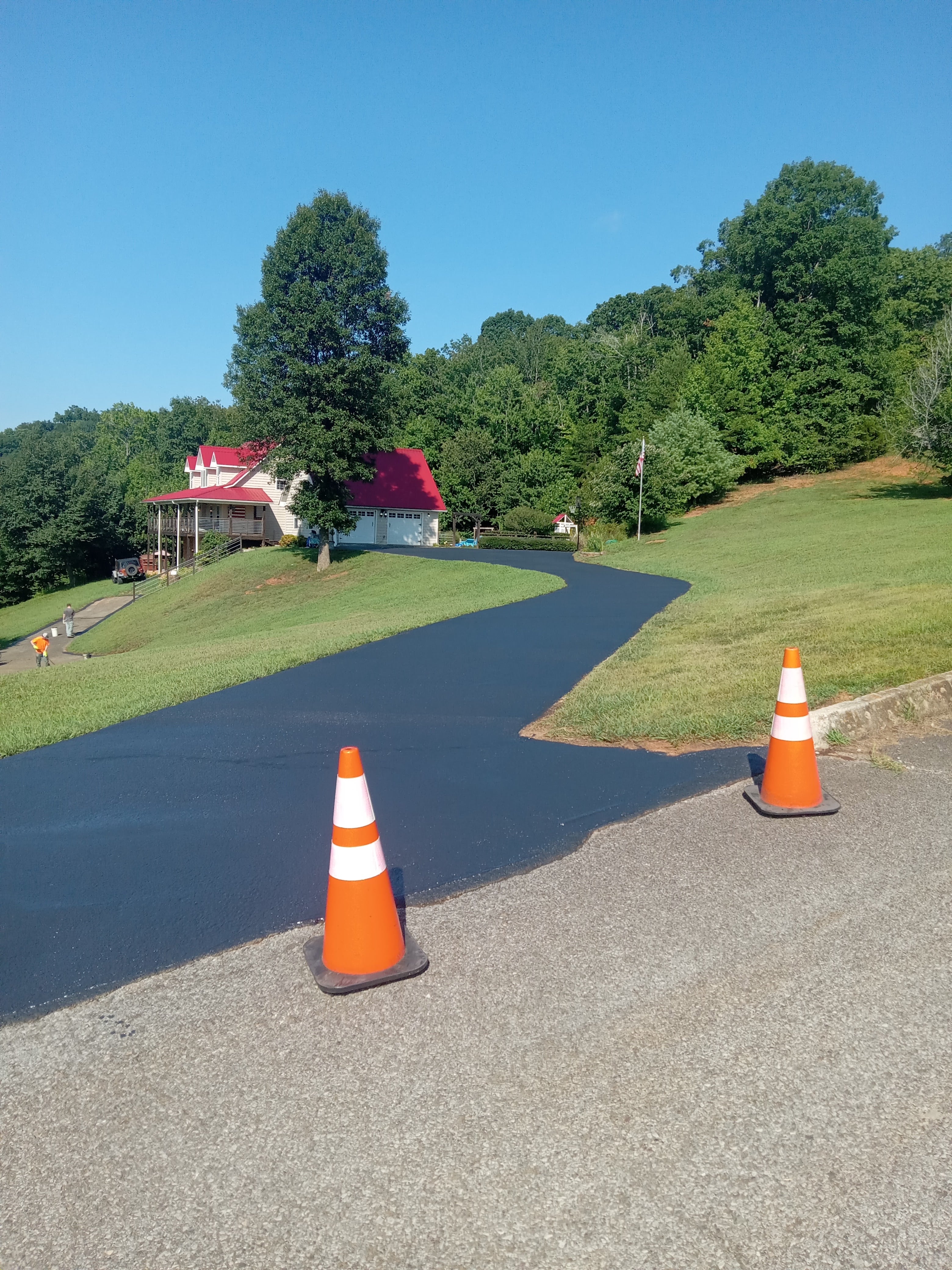
Sealcoating
- Surface cleaning with blowers to remove dirt and debris
- Crack sealing before sealcoat application (cracks wider than ¼ inch)
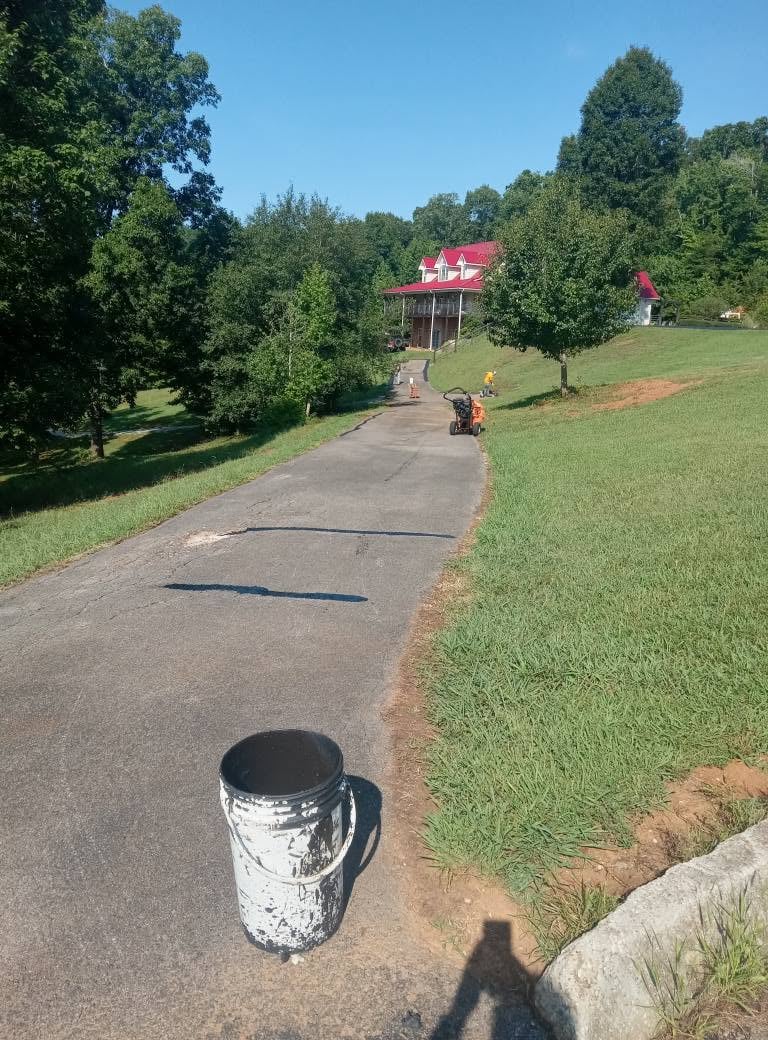
Crack Sealing
- Full surface inspection to identify and mark all cracks
- Crack routing for cracks wider than ½ inch (creates clean reservoir)
Striping and Pavement Marking
- Layout measurement and marking per local code and ADA requirements
- Traffic paint or thermoplastic application with walk-behind striper
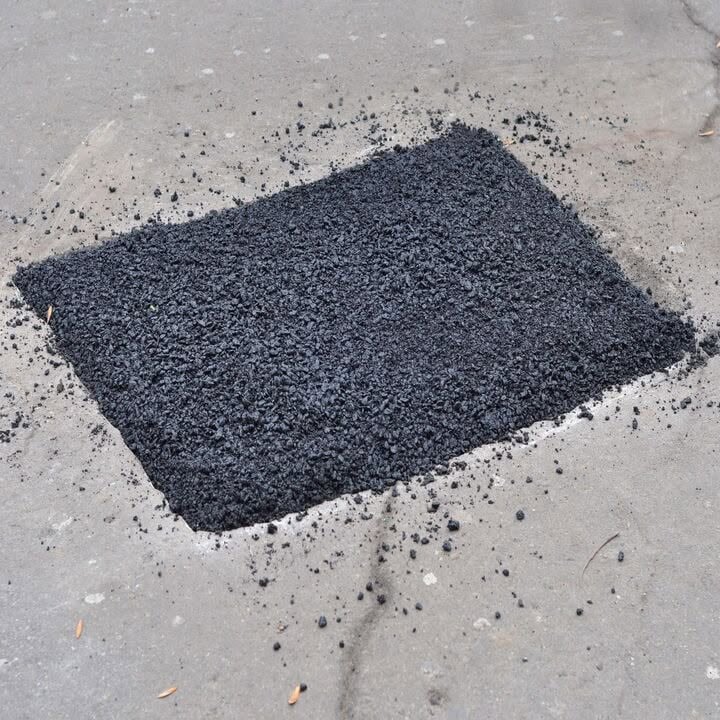
Asphalt Patching
- Saw-cutting around damaged area to create clean edges
- Removal of failed asphalt and unstable base material
From Cracked To Sealed, We Got Your Lot Covered
Site Evaluation and Quote
Call (865) 839-0436 and you'll talk to Bryan directly.
Surface Preparation
Every job starts with a clean, sound surface.
Sealer Application and Striping
Sealer goes down in two coats, sprayed or squeegeed depending on the surface, with cure time between coats.
Maintenance Scheduling (Optional)
We provide a maintenance schedule: crack seal every spring, sealcoat every 2-3 years, restripe as needed.
Serving Greater Roane & Cumberland Counties
Miller Sealcoating and Striping works Greater Roane & Cumberland Counties — from Rockwood, Harriman, and Kingston up the plateau to Crossville and everywhere between. Bryan handles jobs from residential driveways to commercial parking lots…
Serving Greater Roane & Cumberland Counties And Surrounding Areas
Common questions, honest answers.
How often should I sealcoat my asphalt driveway or parking lot?
New asphalt needs 6-12 months to cure before the first sealcoat. After that, reseal every 2-3 years for residential driveways and every 1-2 years for high-traffic commercial lots in Roane and Cumberland Counties. Sealcoating extends pavement life by blocking UV rays and water intrusion, which are the main causes of asphalt deterioration. If you skip sealcoating, expect your pavement to fail in 10-15 years instead of lasting 25-30.
What does ADA compliance require for my parking lot?
The count is based on your lot size — one accessible space for every 25 total spaces, and at least one of every six accessible spaces has to be van-accessible with a wider layout. Van spaces need either an 11-foot stall with a 5-foot access aisle or an 8-foot stall with an 8-foot aisle, plus the wheelchair symbol and a mounted sign. Small lots under 25 spaces still need one van-accessible space. We measure, lay out, and stripe to the current federal standards, and we re-check the counts every time we restripe.
Why do I have to wait so long after sealcoating before I can drive on it?
Sealer needs 24-48 hours to cure depending on temperature and humidity. If you drive on it too soon, tires will track the sealer or leave marks. We need at least 24 hours of dry weather after application — if it rains before the sealer cures, it washes off and we have to redo it. That's why we watch the forecast closely and won't start a job if rain is coming within 48 hours.
What causes potholes, and how do I prevent them?
Potholes start as cracks that let water into the base material under the asphalt. The water saturates the base, and when it freezes it expands and heaves the pavement. Traffic breaks up the weakened asphalt and a pothole forms. The best prevention is crack sealing — seal cracks every spring before water gets in. If you already have potholes, we patch them and address any drainage issues that caused water to collect there.
When is the best time of year to sealcoat in Tennessee?
The working window in East Tennessee runs roughly April through October. Sealer needs the temperature above 50°F and rising, with dry weather behind and ahead of it — mid-50s to 80s is the sweet spot. If you can pick your timing, early fall is smart: the surface goes into winter sealed, and winter is when pavement across Roane and Cumberland Counties takes its worst beating. We freeze and thaw over and over from December through February, and every one of those cycles works water deeper into unsealed asphalt.
How big a crack can be filled, and when is it too late?
Anything from hairline up to about an inch wide gets routed clean and filled with hot-pour rubberized sealant — a seal that flexes with the pavement through the seasons. Wider than an inch, or areas with interconnected alligator cracking, is past what crack fill can hold; that section needs to be cut out and patched. The rule that matters: seal cracks before winter. Water that gets through a crack freezes in the base, and that's where potholes start.