Asphalt Patching
- Saw-cutting around damaged area to create clean edges
- Removal of failed asphalt and unstable base material
- Base compaction or replacement if saturated or soft
- Tack coat application on edges for proper bonding
- Hot-mix asphalt installation and compaction with roller or plate compactor
- Cold-patch for temporary winter repairs (when hot-mix unavailable)
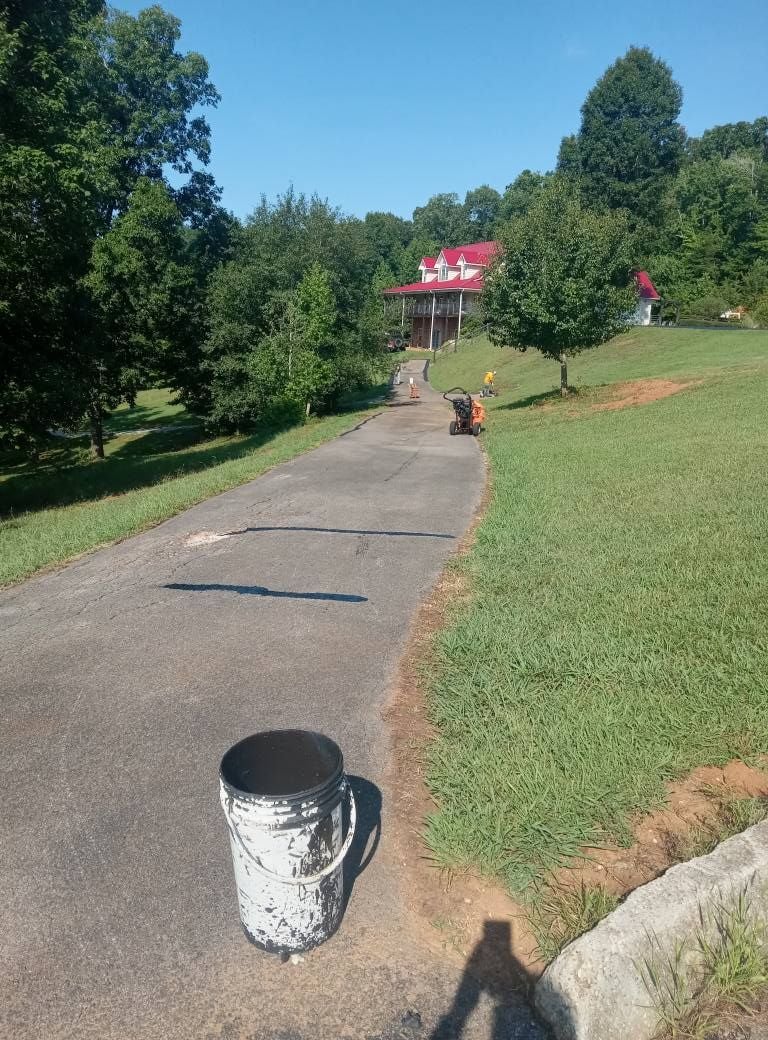
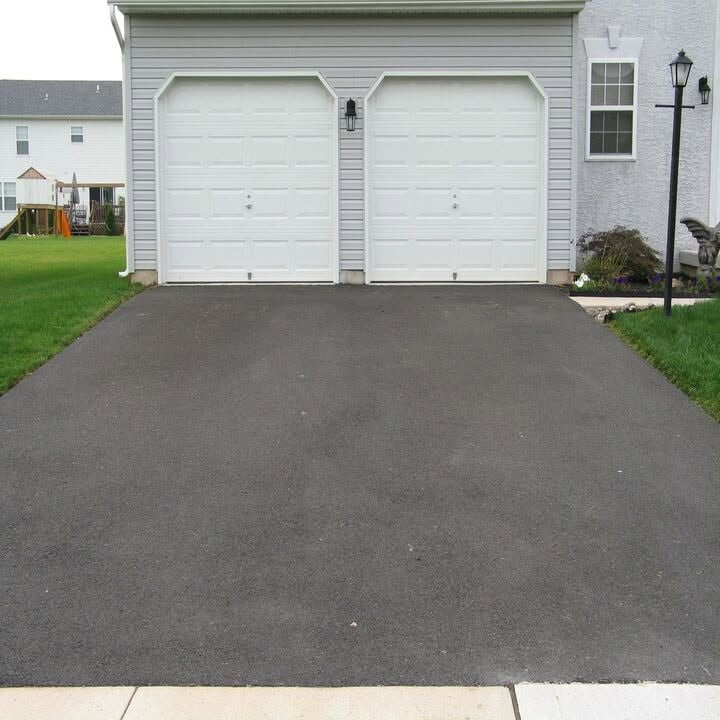
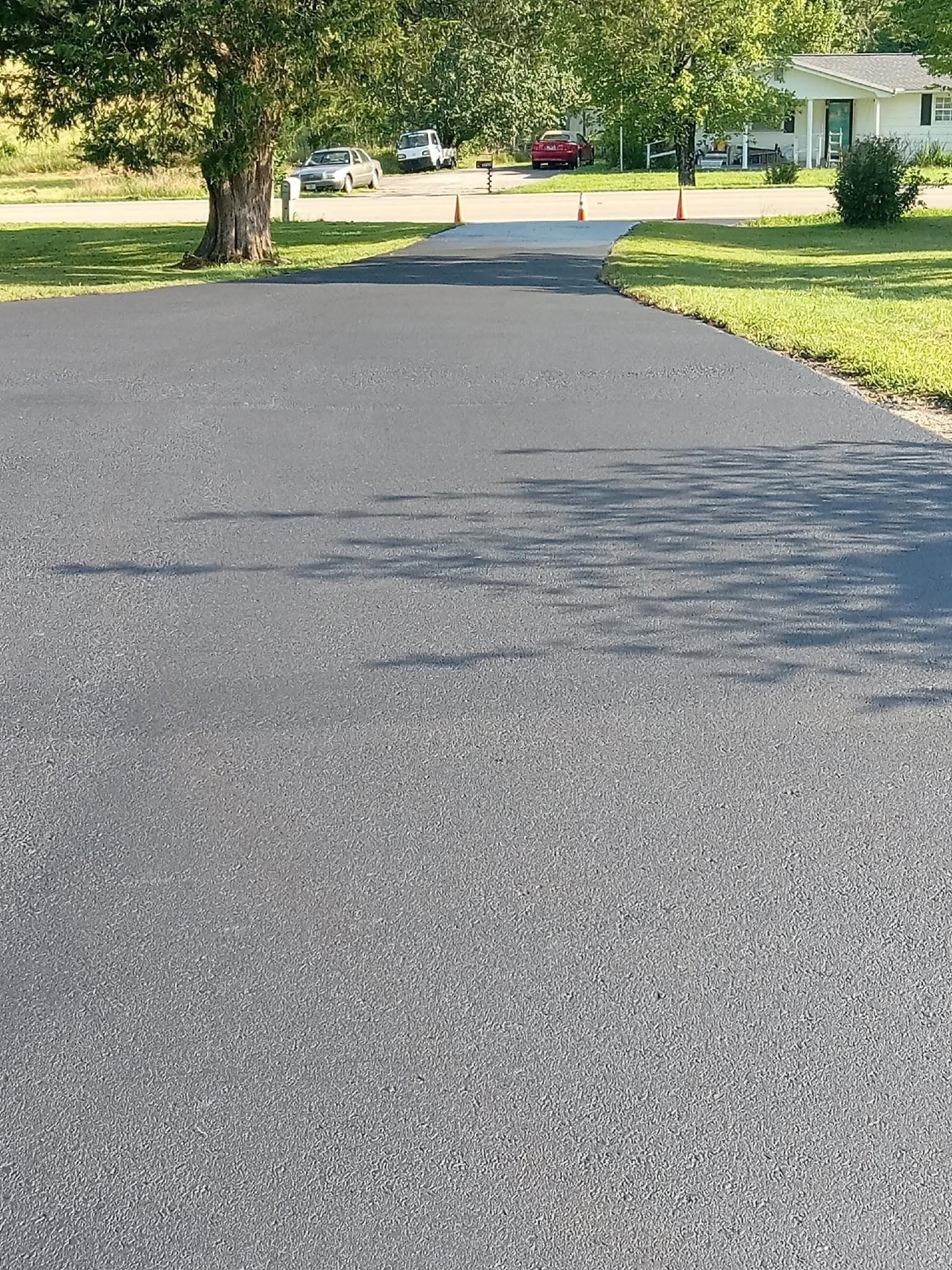
Patching is how we repair potholes and localized failures without resurfacing the whole lot. The key is addressing what caused the failure in the first place. Most potholes start as cracks that let water into the base. The base gets saturated, loses its load-bearing capacity, and the asphalt above it collapses under traffic. If we just fill the hole without fixing the base, it'll fail again in six months.
Hot-mix patching is the permanent fix. We saw-cut a rectangle around the damaged area — clean edges bond better than jagged ones. We remove all the failed asphalt and dig out any wet or unstable base material. If the base is saturated, we let it dry or replace it with fresh aggregate and compact it. Then we tack-coat the edges with asphalt emulsion, fill the hole with hot-mix, and compact it with a vibratory roller or plate compactor. The patch sits about a quarter-inch high when we're done because it'll compact slightly under traffic.
“Most potholes start as cracks that let water into the base. If we just fill the hole without fixing the base, it'll fail again in six months.”
Cold-patch is the temporary solution. It's asphalt mixed with solvents so it stays workable at ambient temperature. We use it for emergency repairs in winter when the asphalt plants are shut down, or for temporary fixes until we can come back with hot-mix in the spring. Cold-patch doesn't bond as well and it doesn't compact as tight, so it's not a permanent repair. Expect it to last one season, maybe two if traffic is light.
For large areas with multiple potholes or widespread alligator cracking, patching isn't cost-effective. At that point you're looking at resurfacing or full-depth reclamation. We'll tell you when you've crossed that line — there's no point throwing money at patches when the whole section is failing.
For driveways and parking lots across Roane County, we handle patching as a standalone service or as part of a larger maintenance plan. If you're scheduling sealcoating, we patch first, let the hot-mix cure for a few days, then sealcoat the entire surface.
Related services we handle on the same job.
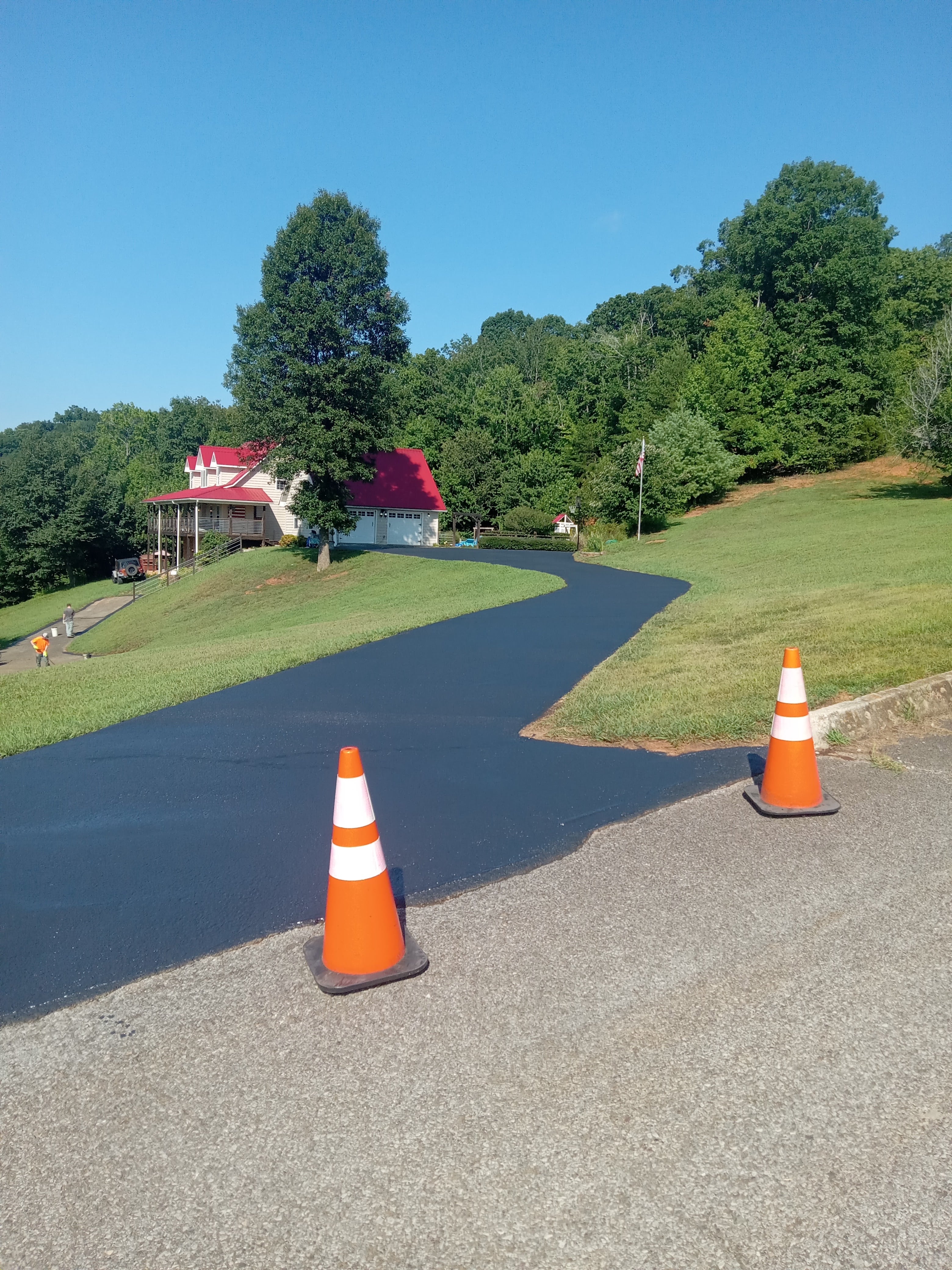
Sealcoating
Asphalt emulsion sealer applied to driveways and parking lots across Roane County.
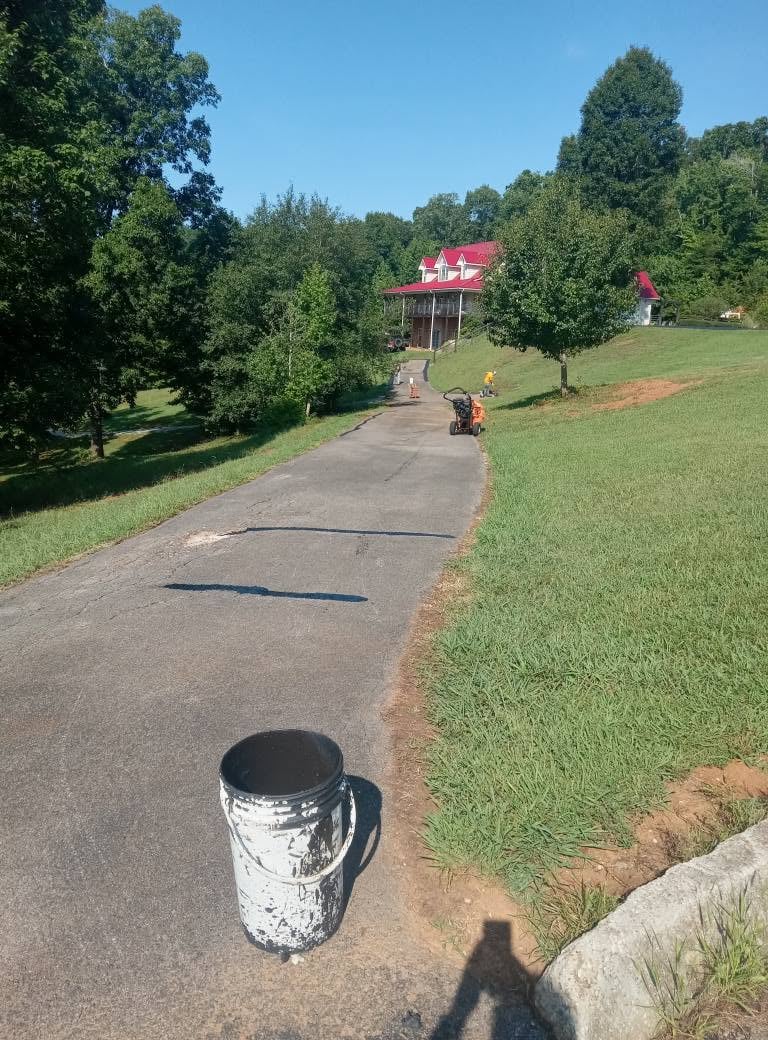
Crack Sealing
Hot rubberized crack filler applied to seal cracks before water infiltrates the base.
Striping and Pavement Marking
Traffic paint for parking stalls, fire lanes, arrows, and ADA-compliant markings.