Crack Sealing
- Full surface inspection to identify and mark all cracks
- Crack routing for cracks wider than ½ inch (creates clean reservoir)
- Compressed air cleaning to remove dirt and vegetation from cracks
- Hot-pour rubberized crack filler heated to 375°F and applied
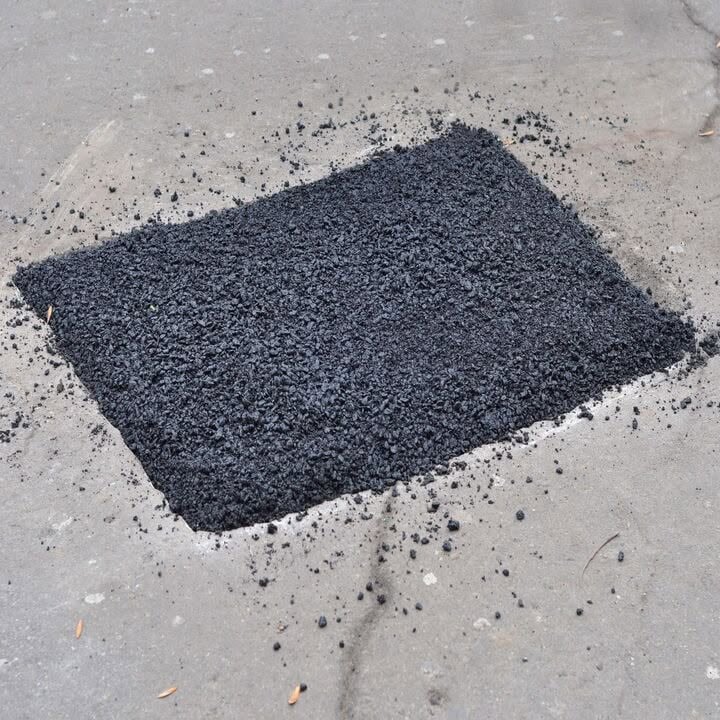
- Slight overfill to account for settling under traffic
- Coordination with sealcoating if both services are scheduled
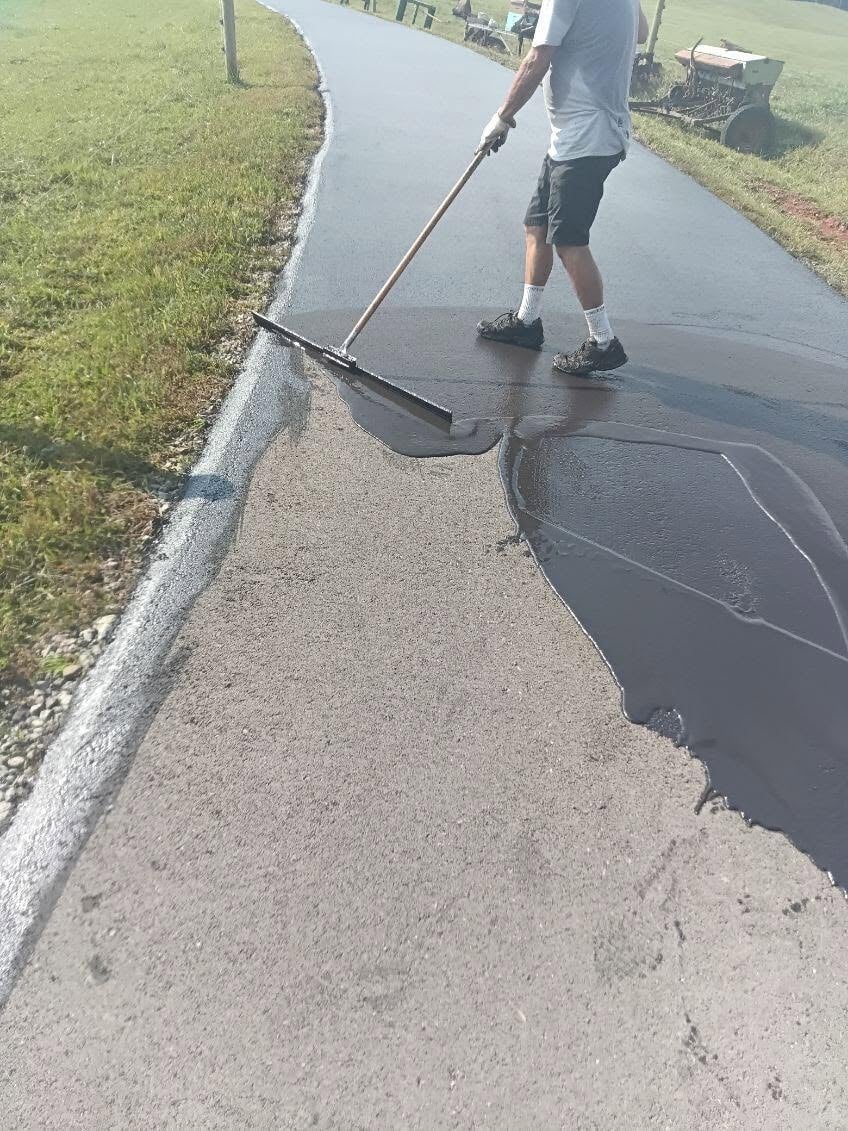
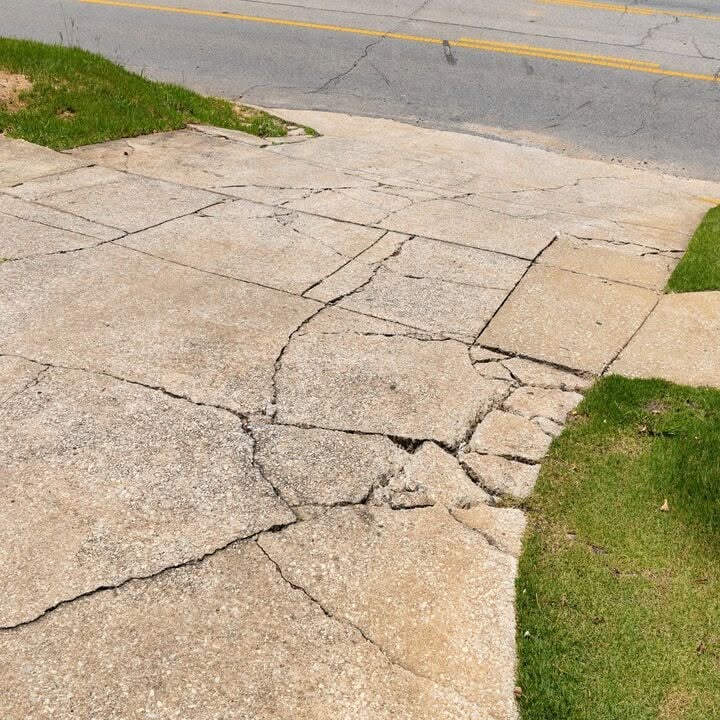
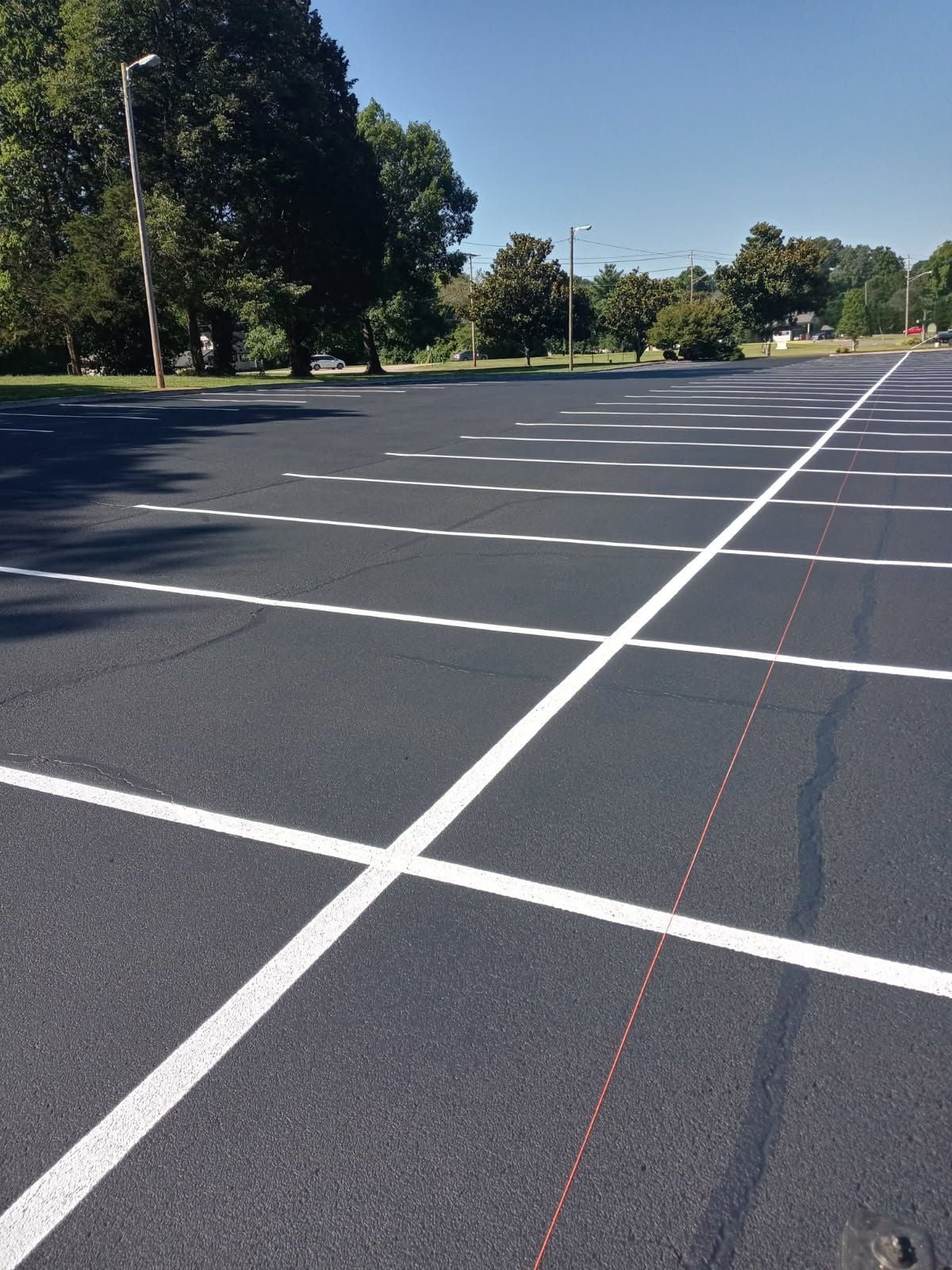
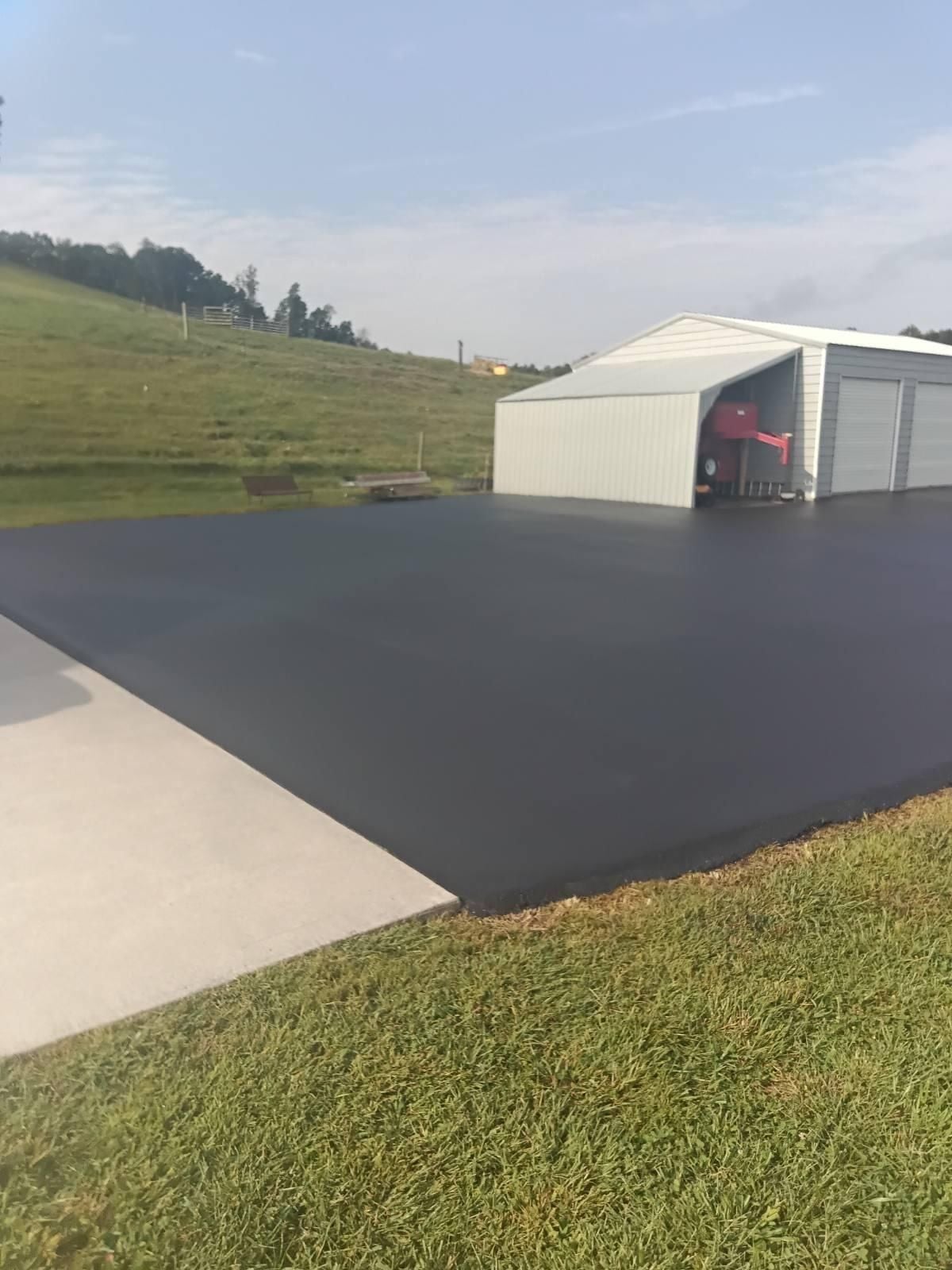
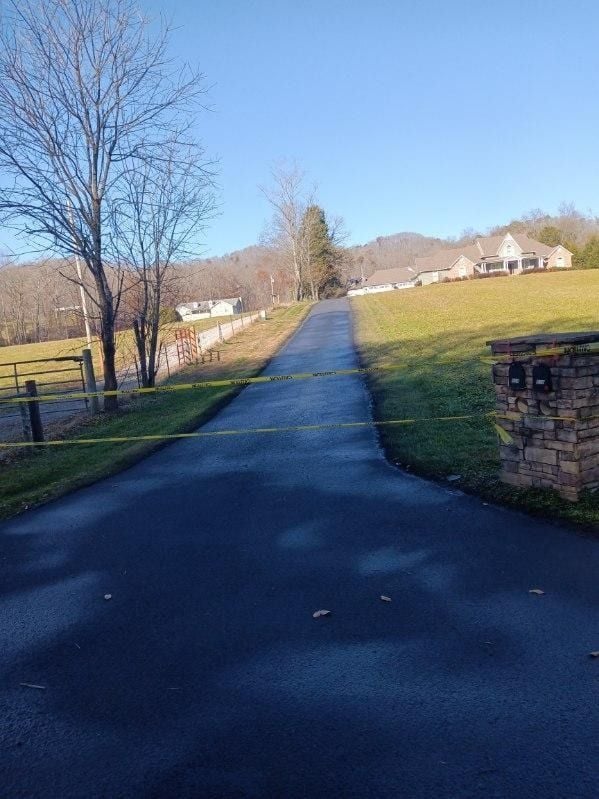
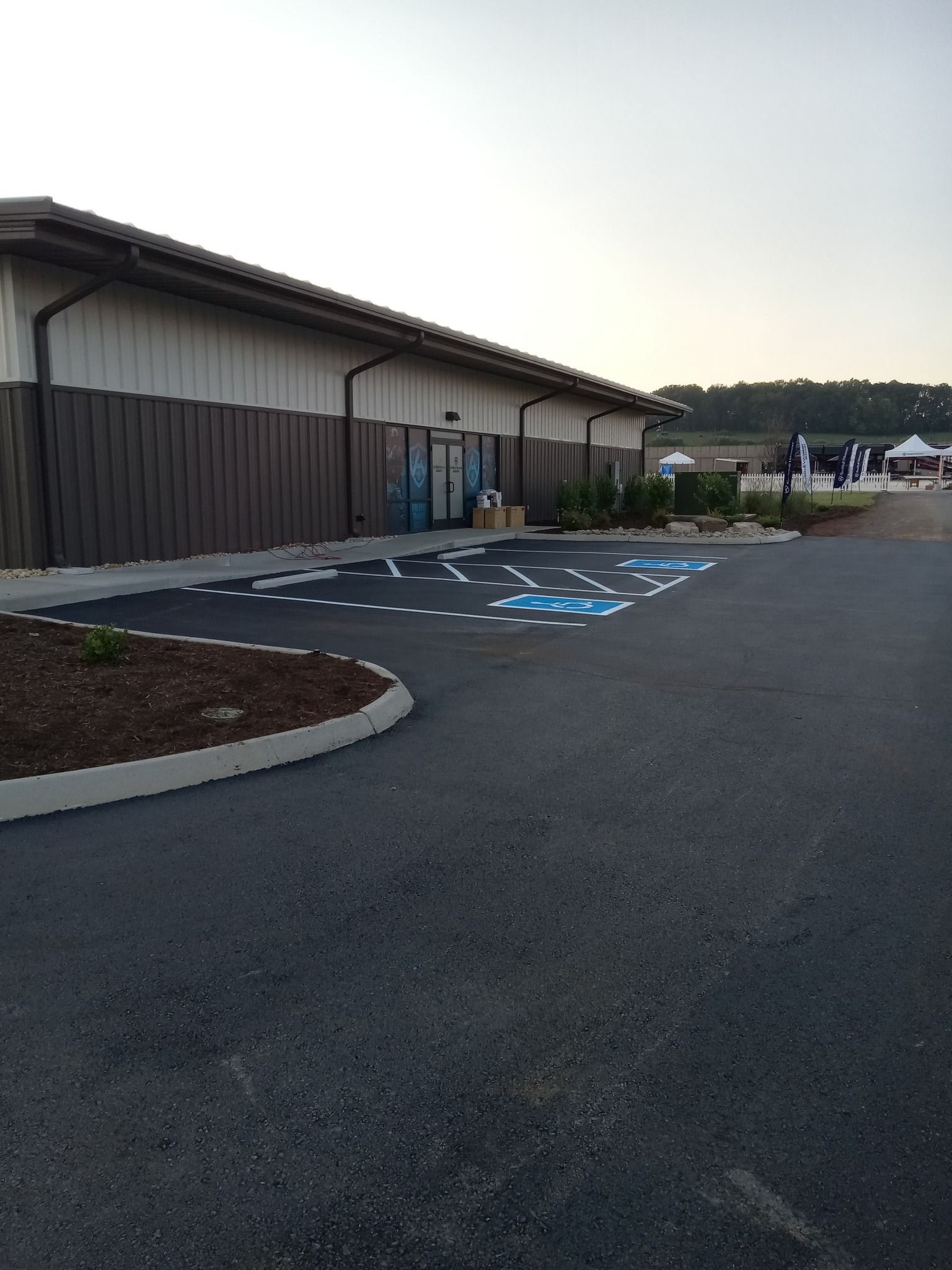
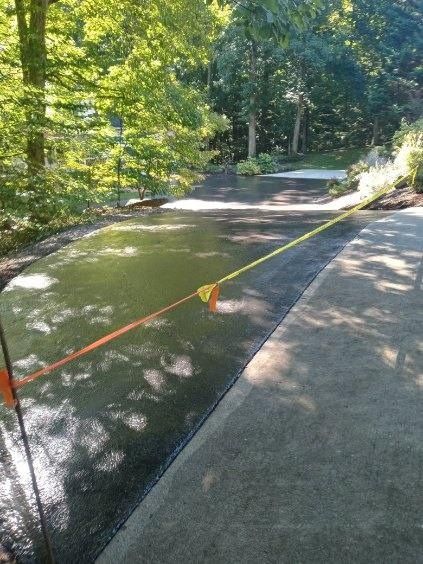
Crack sealing stops water from getting into the base material under your asphalt. Water is what turns a hairline crack into a pothole. It seeps down, saturates the base, and when it freezes it expands and heaves the pavement. One winter of freeze-thaw cycles can turn a quarter-inch crack into a six-inch pothole.
We use hot-pour rubberized crack filler — it's a blend of asphalt and rubber polymers heated to around 375°F. The rubber keeps it flexible so it expands and contracts with the pavement through temperature swings. Cold-pour crack filler from a caulk tube doesn't last — it gets brittle in winter and pops out.
“Water is what turns a hairline crack into a pothole. It seeps down, saturates the base, and when it freezes it expands and heaves the pavement.”
Cracks wider than a half-inch get routed first. We use a crack router to cut a clean reservoir about three-quarters of an inch wide and three-quarters deep. This gives the hot-pour material something to grab onto. Narrow cracks just get cleaned out with compressed air to remove dirt and vegetation.
Timing matters because asphalt expands in summer heat and contracts in winter cold. If you fill a crack in July when it's fully expanded, the filler gets squeezed out when the pavement contracts in January. If you fill it in January when it's fully contracted, it pulls apart in July. Spring and fall — when the pavement is at mid-temperature — are the best times. The crack is at its average width and the filler has room to move in both directions.
We overfill slightly so the material sits just above the pavement surface. It'll compress with traffic and settle into the crack. The rubberized material stays pliable for years if it's applied right, but nothing lasts forever. Plan to reseal cracks every 3-5 years as part of regular maintenance.
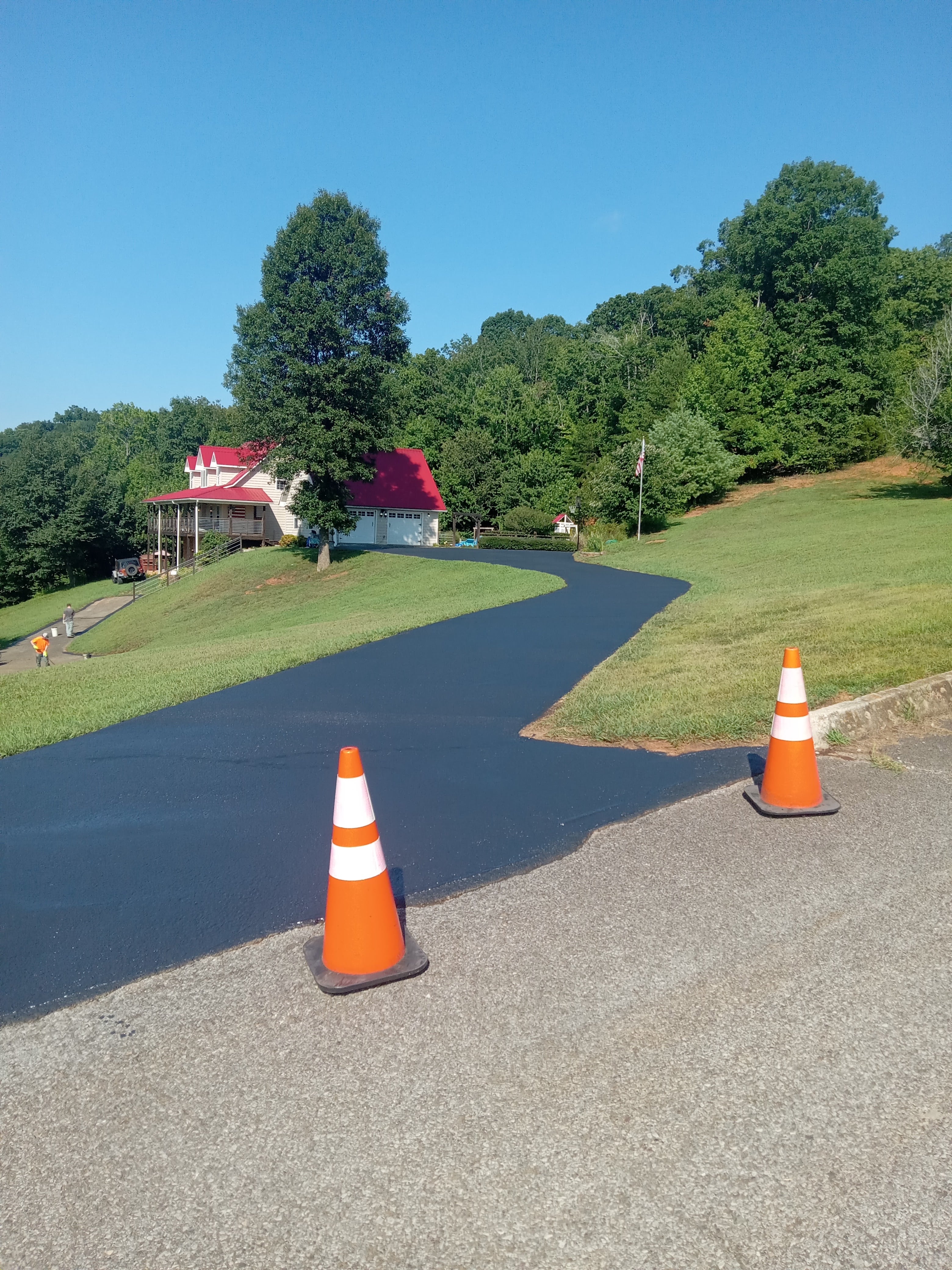
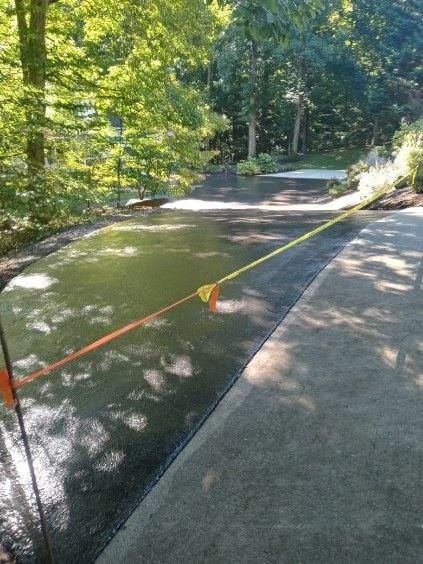
For driveways and parking lots across Roane County, we walk the entire surface, mark all the cracks, and fill them in one visit. If you're planning sealcoating, we crack-seal first, let the filler cure for a day or two, then sealcoat. That way you're protecting the entire surface, not just the areas between cracks.